
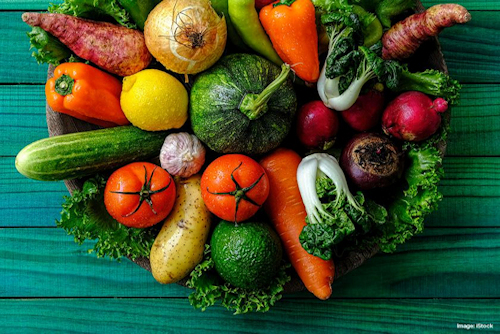

Nopales or nopalitos are cut up and prepared pads of the prickly pear cactus. They can be either grilled or boiled, but shouldn’t ever be overcooked as it might give them an unwanted, slimy texture. Nopalitos are typically used as a filling in tortillas or added to eggs, salads, and soups.
Fresh nopalitos can be bought at Mexican markets, while the canned version is usually available in most Mexican food stores.

Ancho is the dried version of ripe poblano chile peppers. The peppers are dried for preservation purposes, and when ground, they can be used in spice rubs, moles, soups, salsas, and enchilada sauces. In their dried form, the heart-shaped ancho chiles have a wrinkled skin and a deep red color, their flavor is smoky, sweet, and reminiscent of plums and raisins, while the heat level ranges from mild to medium.

Tomatillos are fruits of a plant called Physalis ixocarpa, originating from Mexico. They resemble green tomatoes, with a papery husk and are extensively used in Mexican cuisine for the production of salsa verde and guacamole. The flavors are slightly less sweet and a bit more acidic than regular tomatoes, with hints of lemon, herbs, and apples.
On the inside, the texture is less watery and denser. Tomatillos develop flavor when boiled, but they can also be used raw if you want to keep the flavors bright and acidic. Although technically a fruit or a berry, tomatillo is mostly used as a versatile vegetable.

Jalapeño is a pepper with Mexican origins, but nowadays it’s grown throughout the world due to its unique flavor and a mild level of heat, from 2,500 to 8,000 Scovilles. The name is Spanish for Jalapa or Xalapa, the capital of Veracruz, where these peppers were originally grown.
The peppers are thick-fleshed, and the color can be green or red, with the red variety being slightly milder and sweeter than the green one. The flavors are moderately hot, bright, and grassy. When roasted, the jalapeños become richer, earthy, and slightly smoky.
They can be stuffed, pickled, or used in a variety of dishes. The dried and smoked version of these hot peppers is known as chipotle pepper.

Calabaza is a round, pumpkin-like squash with variable sizes. It is primarily cultivated in the Caribbean and throughout Central and South America. Calabaza is characterized by its firm, bright orange flesh with a sweet flavor, similar to that of a butternut squash.
The seeds are also edible when toasted, known as pepitas. The squash is often used in cakes, stews, and candies, while the flowers, or flor de calabaza, are commonly used in quesadillas, empanadas, and pupusas as an ingredient.
The flesh is rich in vitamin A, beta-carotene, thiamine, and calcium, while the flowers are rich in iron and phosphorus. The seeds are believed to help with prostate and in the prevention of kidney stones, while the flowers are sometimes used against stomach inflammation, making calabaza squash a healthy, flavorful delicacy.

Chile de árbol is a Mexican hot pepper which can be fresh, dried, or ground into a powder. It is characterized by an intense, bright red color and a heat level between 15,000 and 30,000 on the Scoville scale. This chile pepper is often used in salsas, stir-fries, hot sauces, and soups.
Its name means tree chili in Spanish, referring to the woody stems which are useful when making dried wreaths.

Chipotle is a variety of a hot pepper that is basically a smoked and dried ripe jalapeño. The name of this hot pepper is derived from the Nahuatl word chilpoctli, which means smoked chile. Traditionally, chipotle is made in a sealed smokehouse.
Due to the fact that there are numerous types of jalapeños, not all chipotle peppers are alike. They are characterized by a medium heat level ranging from 5,000 to 10,000 on the Scoville scale. The most popular variety is called chipotle morita, characterized by its deep red color.

Poblano is a fresh hot pepper variety originating from Mexico. These peppers are dark green in color, and when fully ripe, the colors become dark red or brown. The flavors are mild, and the Scoville Heat Unit ranges from 1,000 to 2,000. Poblano peppers are usually roasted and peeled, then canned or frozen.
They can also be stuffed in order to make chiles rellenos. The most famous dish prepared with these peppers is probably chiles en nogada, which is especially popular on Mexican Independence Day as it incorporates green, white, and red ingredients.
The dried version of these mild peppers is known as Ancho pepper.
